Trust Your Body: D’Cheya Sykes Shares Her Black Birth Story in Detroit
Detroit Black Birth Archive | Oral History Series
What happens when the people you trust with your birth make decisions about your body without your permission?
For Detroit mother and doula D’Cheya Sykes, that question is personal.
In her interview with the Detroit Black Birth Archive, D’Cheya opens up about her experience navigating pregnancy, motherhood, the medical system, and eventually finding her place in birthwork.
Her story is one that deserves to be heard, not just because of what happened to her, but because of what her experience can teach us about informed consent, trusting ourselves, and the importance of preserving Black women's birth stories.
When Trust Is Broken During Birth
D’Cheya entered her pregnancy with knowledge of the medical system. She had worked in hospitals and understood how healthcare providers operated.
But knowing the system didn't protect her from experiencing harm within it.
During her interview, D’Cheya describes discovering months after giving birth that a provider had performed a membrane sweep during what she believed was a routine cervical examination.
She says she never gave permission for the procedure. In fact, her birth plan specifically stated that she did not want a membrane sweep.
Imagine preparing for your birth, communicating your wishes, and trusting your care team, only to discover later that something was done to your body without your knowledge.
This is why informed consent matters.
Consent is not simply signing paperwork when you arrive at the hospital or birth center. It is an ongoing conversation. Patients deserve to know what is being recommended, why it is being recommended, what the risks and benefits are, and whether they have other options.
A cervical examination is not permission to perform a membrane sweep.
And being pregnant does not mean surrendering your right to make decisions about your own body.
Trust Your First Mind
One of the important themes that comes through D’Cheya's story is learning to trust yourself.
So many women enter pregnancy already carrying knowledge about their bodies. Yet somewhere along the way, they are taught to question that knowledge and place more trust in everyone else.
Medical professionals have valuable training and experience. But that does not erase a birthing person's right to ask questions, decline procedures, or participate in decisions about their care.
As a doula and childbirth educator, I believe education helps people recognize their options and make informed decisions.
I don't want families to depend on me to speak for them. I want them to understand enough to speak for themselves.
D’Cheya's experience reminds us why that work matters.
From Personal Experience to Birthwork
D’Cheya's story is also about what happens after birth.
Birth experiences don't simply disappear once a baby arrives. They can shape how we understand our bodies, our relationships with healthcare providers, and the support we believe families deserve.
Her journey into doula work is part of a much larger conversation about Black women using their lived experiences to educate, support, and advocate for their communities.
There is knowledge in those experiences. There is history in those experiences. And there are lessons that future generations deserve access to.
Why Her Story Belongs in the Detroit Black Birth Archive
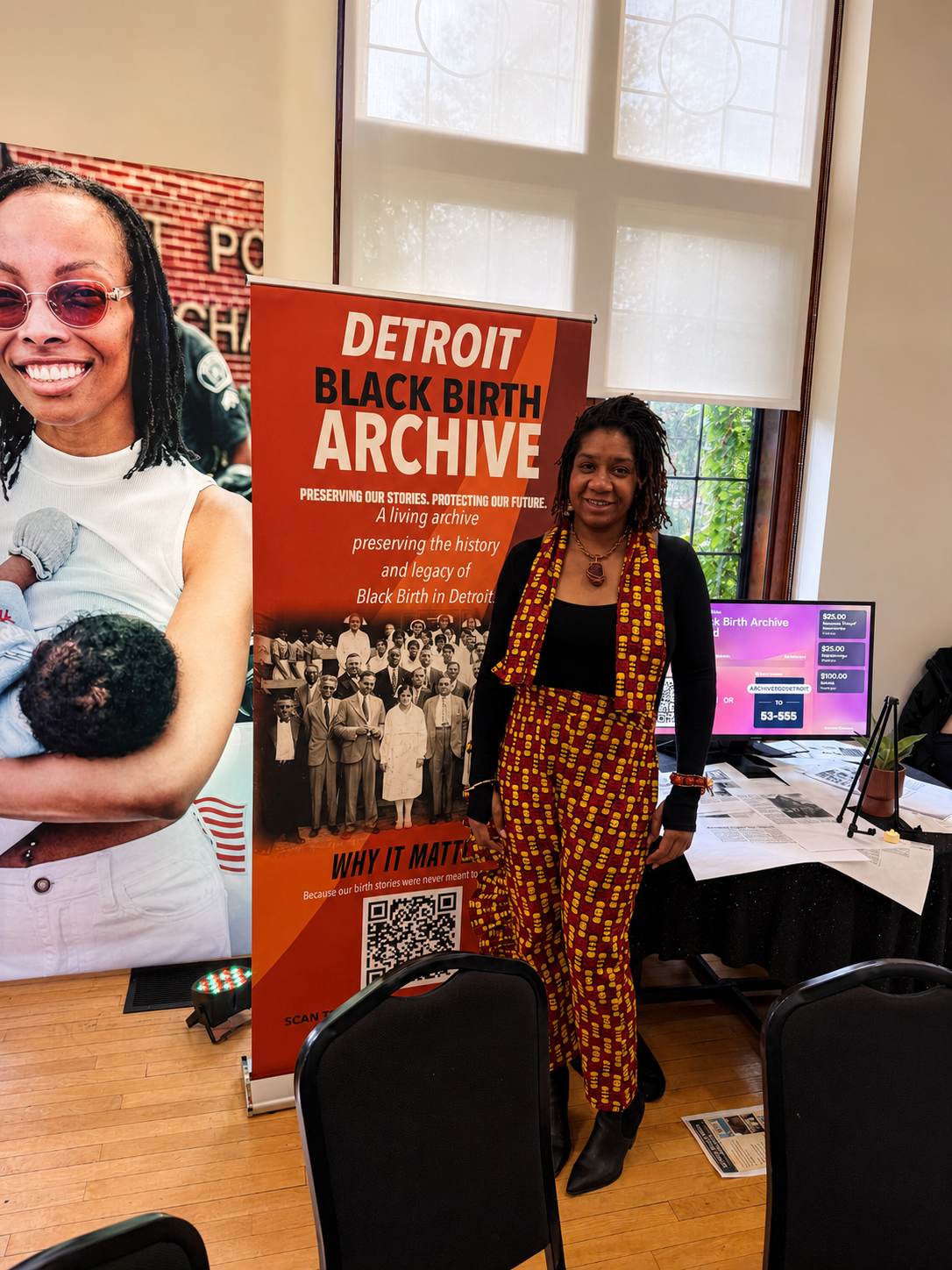
When I created the Detroit Black Birth Archive, I wanted to document more than statistics about Black maternal health.
I wanted to preserve the voices of the people who have lived these experiences.
The mothers. The doulas. The midwives. The nurses. The elders. The community birthworkers.
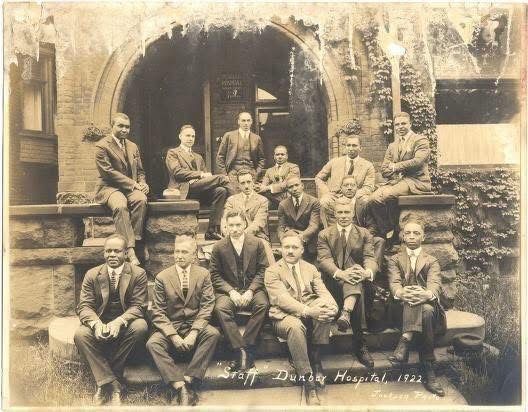
Detroit has a long history of Black people caring for one another, building community resources, and finding ways to meet needs that institutions have overlooked.
Our birth stories are part of that history.
D’Cheya's interview is one of the first oral histories recorded for the Detroit Black Birth Archive. Her testimony contributes to a growing collection documenting Black birth, motherhood, and birthwork in Detroit.
These interviews are not just content for social media.
They are historical records.
One day, researchers, students, families, and future generations of birthworkers will be able to hear directly from the people who shaped Black birth experiences in our city. That is why preserving these stories matters.
Watch D’Cheya Sykes' Full Interview
I invite you to sit with D’Cheya's story. Listen to her experience in her own words and think about what it means to trust your body while navigating a healthcare system that doesn't always listen.
Watch: D’Cheya Sykes | Black Birth, Motherhood & Doula Work in Detroit
After watching, I encourage you to share this interview with a mother, doula, midwife, childbirth educator, healthcare professional, or anyone who believes our stories deserve to be preserved.
Help Us Preserve Detroit's Black Birth History
The Detroit Black Birth Archive is an ongoing community preservation project dedicated to documenting the experiences and contributions of Black mothers and birthworkers in Detroit.
Through oral histories, research, education, and public exhibits, we are building a resource that future generations can learn from.
If you are a Black birthworker with a story to share, I would love to hear from you. Your experiences are part of Detroit's history, and they deserve to be documented.
If you believe this history matters, I invite you to support the archive by watching our interviews, sharing our work, and joining the Detroit Black Birth Archive Preservation Circle.
The Preservation Circle gives our community an opportunity to invest directly in this work. Your contributions help us record more oral histories, provide honorariums to the birthworkers sharing their stories, preserve our recordings, and make Black birth history accessible to future generations.
You don't have to be a birthworker to be part of preserving this history. Whether you make a one-time donation or become a monthly supporter, every contribution helps us continue this work.
Join the Preservation Circle and help us preserve Detroit's Black birth history.
Because 100 years from now, I don't want anyone wondering what Black birth looked like in Detroit.
I want them to hear it from us.
The Detroit Black Birth Archive
Preserving our stories. Documenting our history. Making sure our voices are never forgotten.