The Hidden History of Dunbar Hospital
Detroit has a birth story.
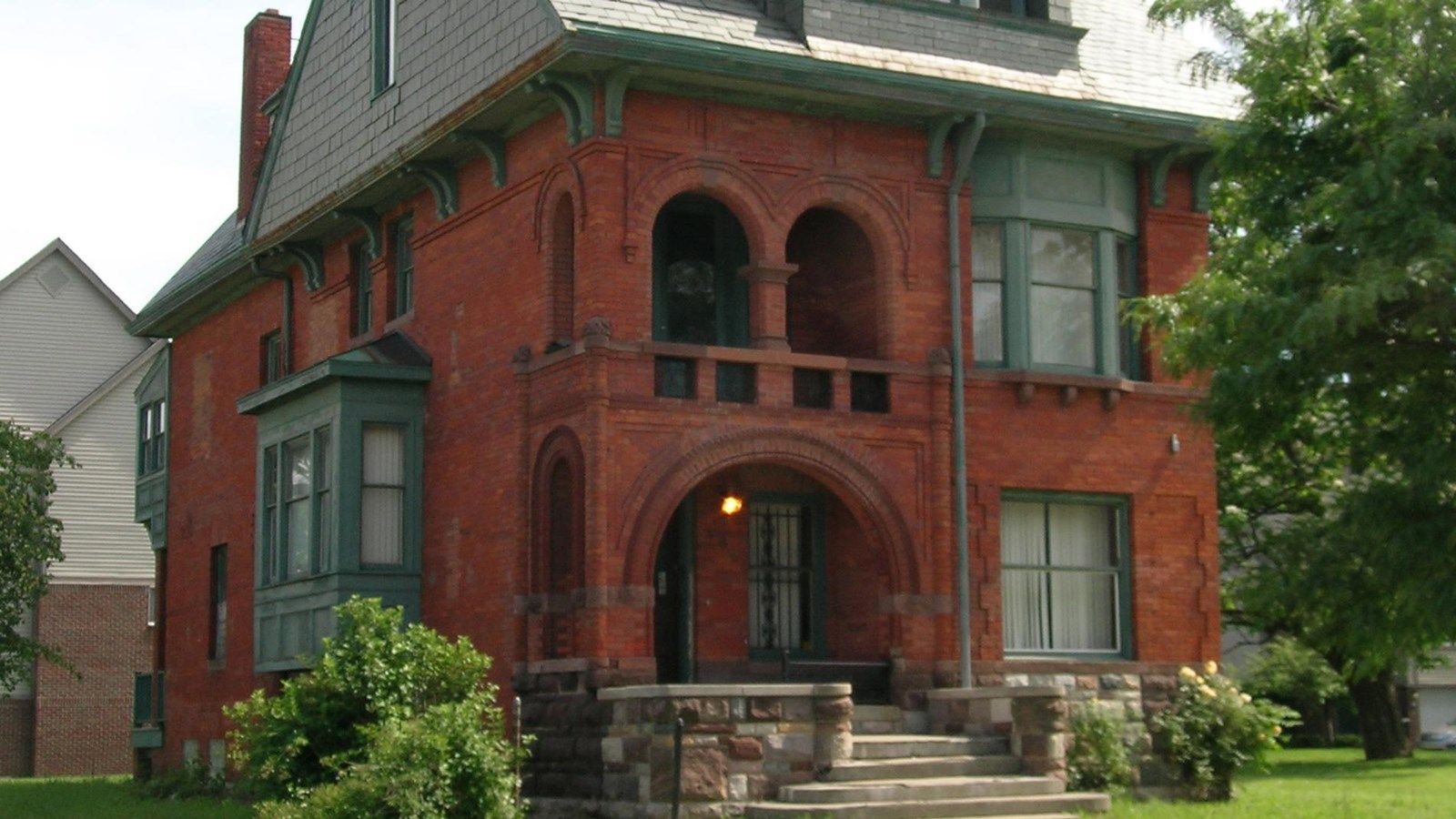
There are buildings in Detroit that hold memory in their walls.
Dunbar Memorial Hospital is one of them.
Long before conversations about “Black maternal health disparities” became mainstream, before diversity initiatives, before hospital equity statements and public campaigns, Black doctors, nurses, and institutions in Detroit were already fighting to keep Black families alive.
And they had to build systems for themselves to do it.
Dunbar Memorial Hospital located at 580 Frederick Street was one of the first hospitals in Detroit created to serve Black residents during a time when segregation and racism limited access to medical care throughout the city.
Many Detroiters are only now learning this history.
Some have driven past the building for years without knowing what it once represented.
Others are hearing stories passed quietly through family memory:
a grandmother born there,
a nurse who trained there,
a physician who practiced there,
a relative who could only receive care in Black hospitals because white institutions refused them.
As conversations about Dunbar Hospital began circulating publicly, something powerful started happening.
Detroiters started remembering together.
One community member shared that her mother became the first African American woman to receive her BSN from Wayne State University. But because Detroit hospitals would not allow Black nurses to complete clinical training there, she had to attend Freedman’s Hospital School of Nursing in Washington D.C. While there, she met Dr. Charles Drew before eventually returning to work at Herman Kiefer and the Detroit Department of Health.
Another Detroiter shared a painful memory about segregated maternity care:
That white women had private rooms while Black women labored together in shared spaces and that some Black mothers were denied admission entirely because hospitals claimed there were “no beds.”
Others began naming hospitals many Detroiters have never heard of:
- Kirwood Hospital
- Burton Mercy
- Trinity Hospital
One woman shared:
“I was born there in 1957.”
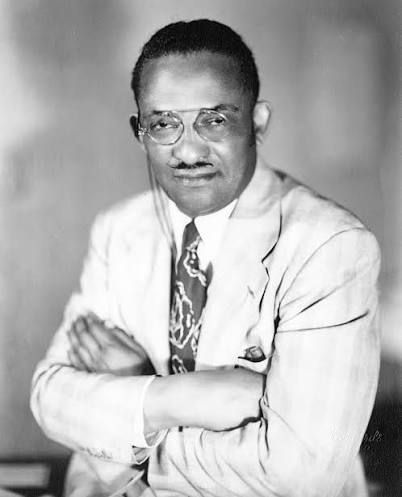
Another commenter remembered that Dr. Ossian Sweet one of Detroit’s most important Black historical figures practiced medicine there during the 1920s.
Another community member stated there may have been as many as 18–20 African American hospitals operating in Detroit at one time.
Think about that.
Entire Black medical systems existed in this city. And much of that history is barely documented in mainstream public memory.
That is exactly why archives matter.
Too often, Black medical history disappears in pieces.
A hospital closes.
Records scatter.
Buildings deteriorate.
Photographs are lost.
The elders carrying the stories pass away.
Then future generations are left trying to reconstruct history from fragments.
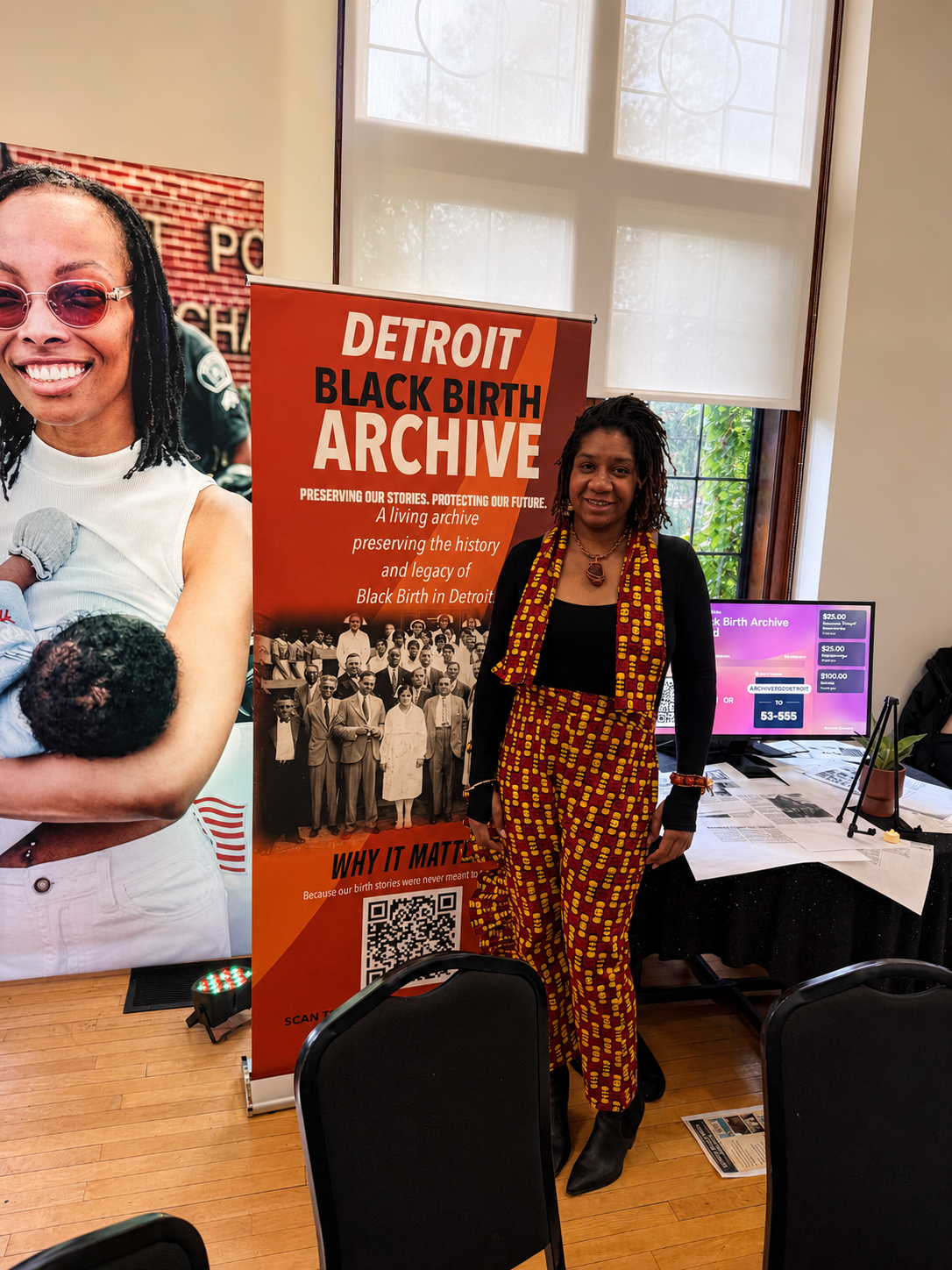
The Detroit Black Birth Archive exists because our stories deserve preservation with the same seriousness as any other historical record.
This work is not simply about nostalgia.
It is about:
- preserving Black medical history
- documenting maternal health experiences
- protecting oral histories
- recovering erased institutions
- honoring Black nurses, physicians, doulas, and birthworkers
- safeguarding Detroit’s cultural memory
Because when our stories are not preserved, somebody else eventually decides what gets remembered.
And too often, Black birth history is reduced only to statistics:
- maternal mortality
- infant mortality
- health disparities
- crisis
But Black Detroit built more than survival.
Black Detroit built care systems.
Black Detroit built hospitals.
Black Detroit trained nurses.
Supported physicians.
Delivered babies.
Held families together.
Created community infrastructures despite segregation and exclusion.
Dunbar Hospital still stands as evidence of that legacy.
It is not simply an abandoned building or historical footnote.
It is proof of Black Detroit’s determination to care for itself in the face of systemic barriers.
And now, decades later, Detroiters are beginning to piece the story back together collectively.
Through community memory.
Through comments.
hotographs.
Birth certificates.
Family stories.
Neighborhood conversations.
Oral histories.
The archive is beginning to form in real time.
This kind of collaborative memory work reflects broader community-based digital preservation models that emphasize shared stewardship, relationship-building, and collective historical recovery. The Stepping Stones Collaboration Toolkit highlights how preservation efforts grow through community engagement, distributed contributions, and intentional infrastructure for safeguarding vulnerable histories.
Archives are not only about paper.
They are about people.
The truth is:
if we do not preserve our own birth histories,
our own medical institutions,
our own stories of survival and care,
someone else will eventually tell the story without us.
Or erase it entirely.
The Detroit Black Birth Archive is committed to ensuring that does not happen.
We are collecting:
- oral histories
- photographs
- hospital memorabilia
- birthworker stories
- records connected to Black Detroit hospitals
- community memory connected to maternal health and medical care in Detroit
If you or your family have connections to Dunbar Hospital or Detroit’s Black medical history, we invite you to become part of this living archive.
Because once a story is lost, we may never get it back.
➡️ Visit the Detroit Black Birth Archive:https://www.shekitalongdoula.com/black-birth-archive
But if we preserve it now, it can live forever.