Mother Waddles: The Detroit Woman Who Mothered a City | Detroit Black Birth Archive
Detroit Black Birth Archive | MDHHS Maternal & Infant Health Summit Exhibit Series
When people think about maternal health, they often think about hospitals, doctors, and birth.
But birth doesn't end when a baby is born.
Families need food. They need housing. They need diapers. They need someone who believes they matter.
Long before people began talking about social determinants of health, Mother Waddles was already living that work.
A Mother to Detroit
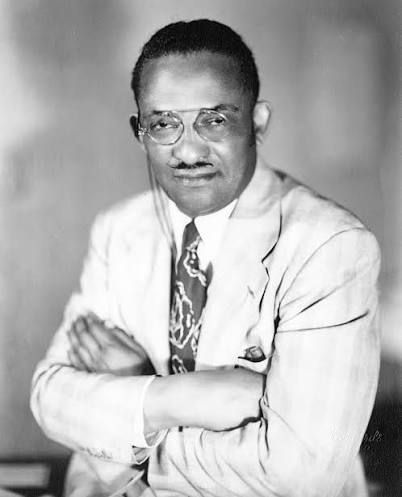
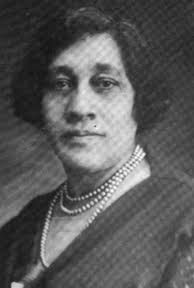
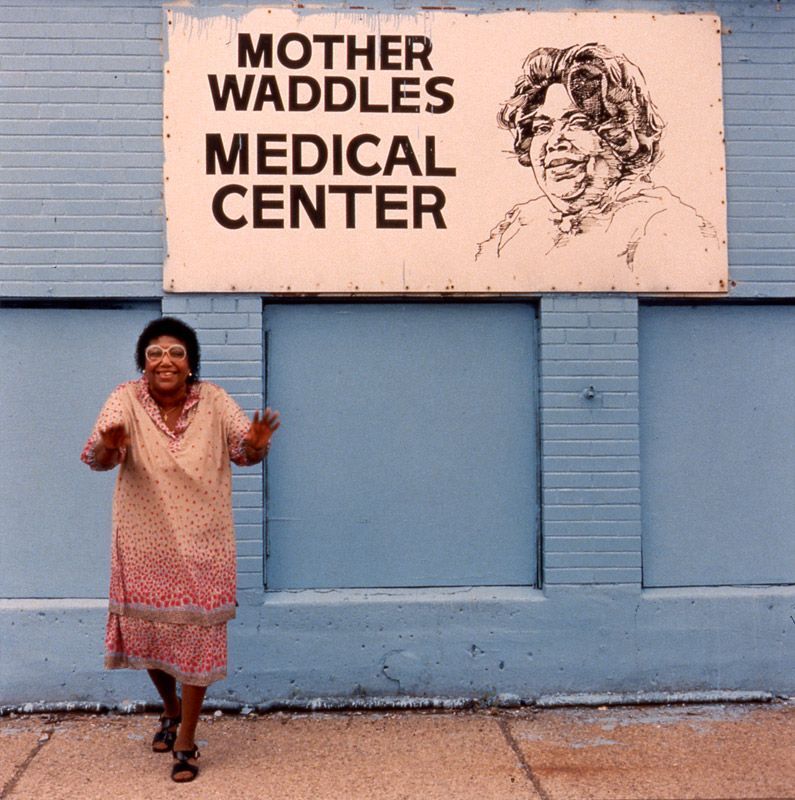
Born Lillie B. Waddles in 1912, Mother Waddles became one of Detroit's most beloved community leaders. Although she was an ordained minister, many people simply knew her as "Mother" because that is exactly how she cared for people.
She saw every person who walked through her doors as worthy of dignity, compassion, and hope. Her ministry wasn't confined to Sunday mornings. It happened in grocery lines, clothing closets, around dinner tables, and wherever someone needed help.
Feeding More Than Hunger
In the 1950s, Mother Waddles founded what would become the Mother Waddles Perpetual Mission on Detroit's east side.
She believed no one should have to choose between feeding their children and paying their bills.
Her mission provided:
- Hot meals
- Clothing
- Emergency food
- Shelter assistance
- Job training
- Counseling
- Support for families experiencing crisis
Thousands of Detroiters found hope through her work.
She didn't ask whether someone deserved help.
She simply helped.
The Connection to Birth
The Detroit Black Birth Archive tells the story of more than pregnancy and labor. It tells the story of what allows families to thrive.
A healthy birth doesn't happen in isolation. It depends on stable housing. Nutritious food. Safe neighborhoods. Community support, and Trusted relationships.
Today we call these the social drivers of health. Mother Waddles understood them decades before they became public health terminology. She recognized that caring for mothers meant caring for entire families.
A Legacy of Community Care
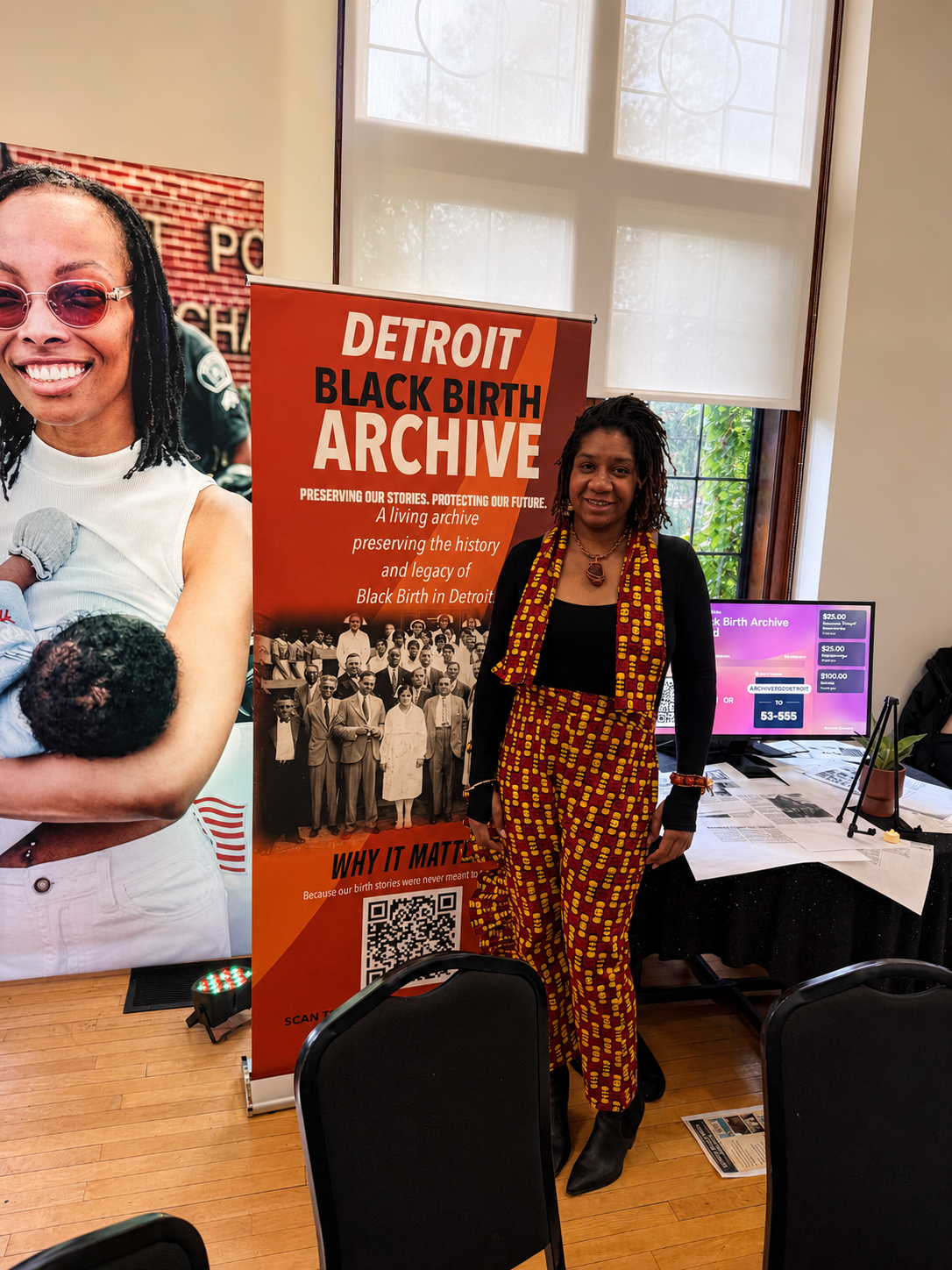
As a community health worker, I often think about people like Mother Waddles. Much of my work extends beyond childbirth education. Sometimes clients need food resources. Sometimes they need transportation. Sometimes they need help navigating healthcare. Sometimes they simply need someone willing to listen.
That is the same spirit Mother Waddles embodied throughout her life. She understood that healthcare is not only what happens inside clinics and hospitals. Healing happens in community.
Why Her Story Belongs in the Detroit Black Birth Archive
The Detroit Black Birth Archive preserves the people who helped shape Black birth experiences in Detroit. Some were physicians. Some were nurses. Some were midwives. Some were community leaders.
Mother Waddles reminds us that supporting birth has always required more than medical care. It requires compassion and advocacy.
It requires making sure families have what they need long after they leave the hospital. Her legacy continues today through the organization that still bears her name and through every person who believes that caring for families is a community
responsibility.
Preserving Detroit's Black Birth History
History isn't only found in medical records.
It lives in churches.
Neighborhoods.
Community centers.
Family photographs.
And in the memories of people who remember being cared for by someone who refused to let them struggle alone.
If Mother Waddles touched your family's life or if your family has a Detroit birth story you'd like to preserve we invite you to become part of the Detroit Black Birth Archive.
References:
https://miwf.org/celebrating-women/michigan-womens-hall-of-fame/charleszetta-waddles-mother-waddles/
https://motherwaddles.org/about/
Every family has a birth story.
Together, those stories become Detroit's history.
➡️ Visit the Detroit Black Birth Archive:https://www.shekitalongdoula.com/black-birth-archive
The Detroit Black Birth Archive preserves the stories of Detroit's Black birth workers, physicians, midwives, nurses, families, and institutions so that their contributions are never forgotten. Every birth story is part of Detroit's history, and every story deserves to be preserved.