Dr. Joseph Ferguson: A Pioneer in Detroit's Black Medical History
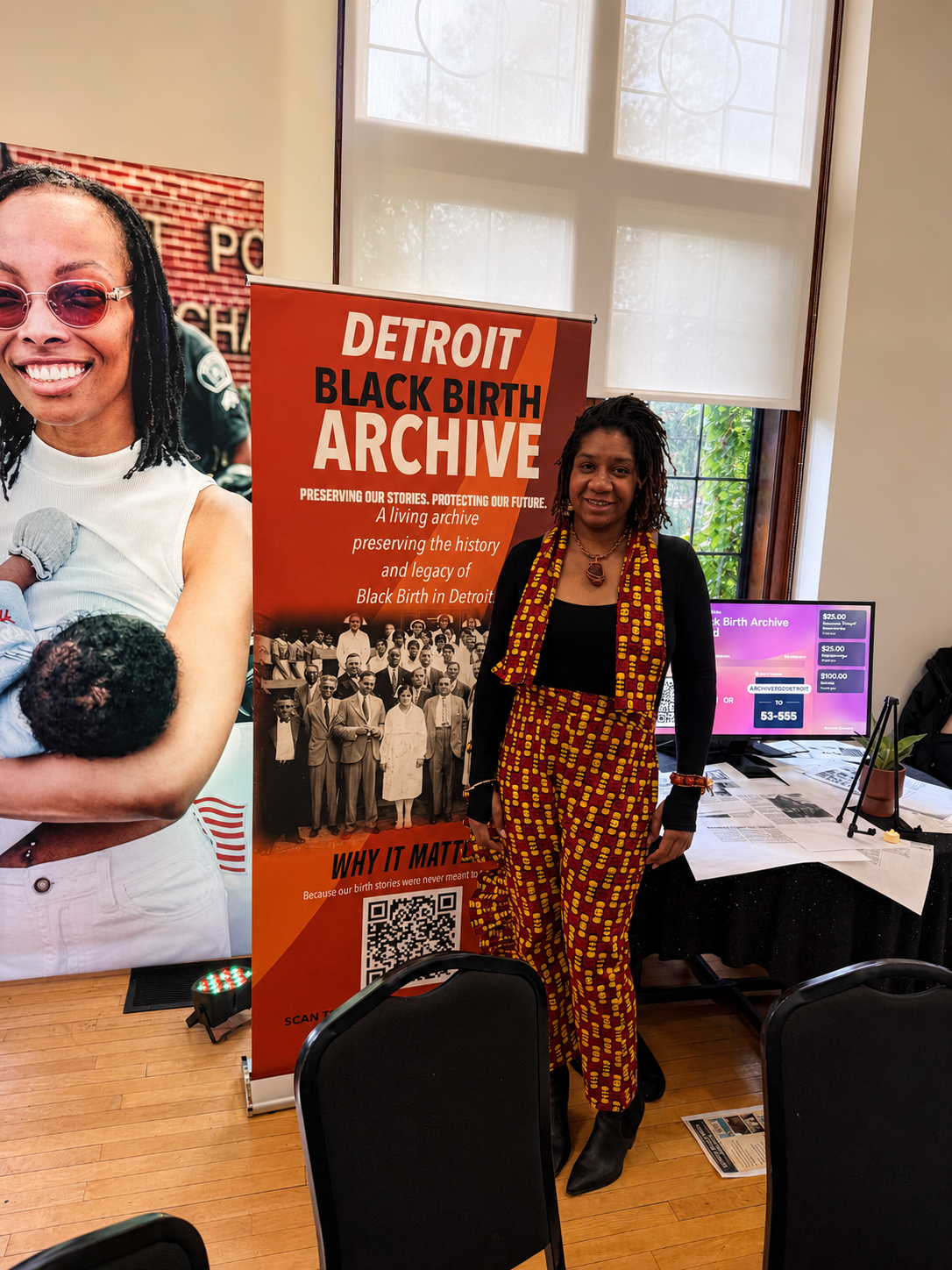
Detroit Black Birth Archive | MDHHS Maternal & Infant Health Summit Exhibit Series
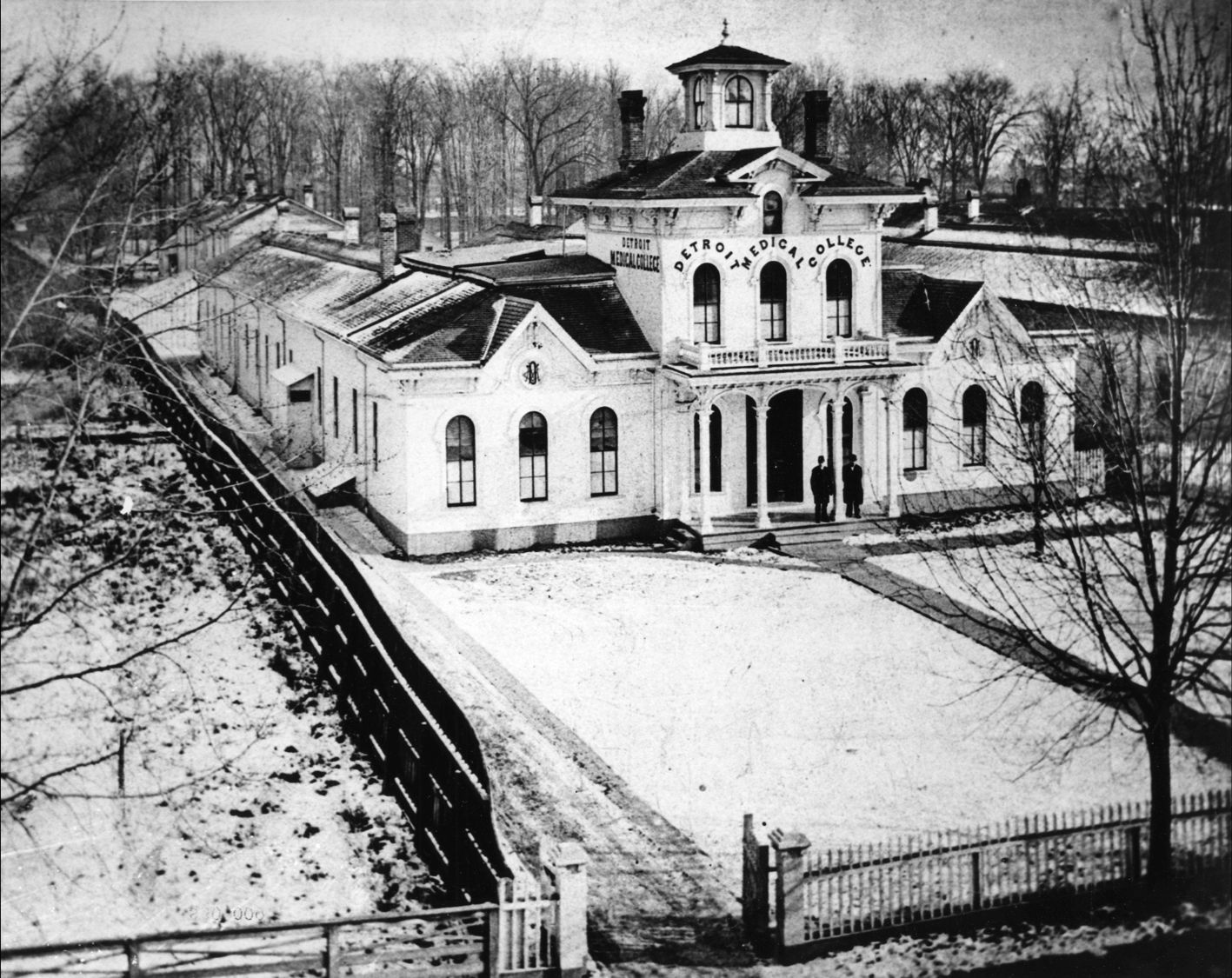
Before there was a Dunbar Hospital.
Before Black physicians organized the Allied Medical Society.
Before Detroit had Black-owned hospitals.
There was Dr. Joseph Ferguson.
His story reminds us that the fight for Black maternal health has always been connected to the fight for civil rights, education, and freedom.
The First Black Physician to Practice in Detroit
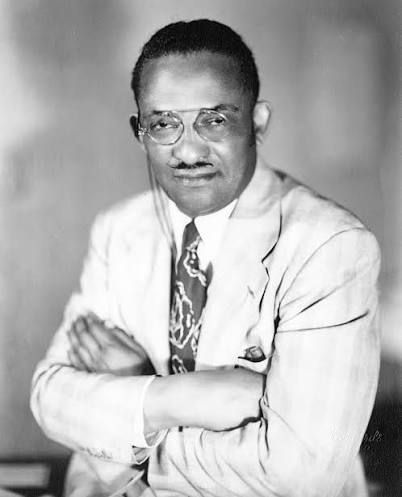
Dr. Joseph Ferguson was born in Virginia in 1821 and moved to Detroit in the 1850s. After completing his medical education, he became the first Black physician to practice in Detroit in 1869. At a time when racism limited nearly every opportunity available to Black professionals, Ferguson chose to build his life in a city that desperately needed Black physicians.
His medical practice served Detroit's growing Black community, but medicine was only part of his life's work.
A Physician and an Abolitionist
Long before he earned his medical degree, Ferguson was deeply involved in the abolitionist movement. He served as both a conductor and stationmaster on the Underground Railroad, helping enslaved people escape to freedom through Detroit on their journey to Canada.
He was also present at the historic 1859 Detroit meeting between abolitionists Frederick Douglass and John Brown, just months before Brown's raid on Harpers Ferry. For Dr. Ferguson, healing and freedom were inseparable.
Fighting for Equal Education
Dr. Ferguson understood that healthy communities require more than doctors. They require opportunity.
When Black children were excluded from Detroit's public schools, Ferguson became a leader in the movement for educational equality. In 1869, he joined the landmark Workman v. Detroit Board of Education lawsuit challenging segregated schools.
The case helped open Detroit's schools to Black students.
His own son, William Ferguson, became one of the first Black children to attend Detroit's integrated kindergarten and later became the first African American elected to the Michigan Legislature.
Caring for Detroit During Crisis
In 1863, racial violence erupted in Detroit. White mobs attacked Black residents throughout the city.
Dr. Ferguson provided medical care to those who had been injured during the riots, demonstrating what community medicine looked like long before the phrase existed.
Practicing Without Equal Rights
Despite becoming Detroit's first Black physician, Ferguson still faced enormous barriers.
He and every other Black physician in Detroit were denied hospital privileges simply because of their race. They could care for patients in their offices and homes but could not admit them to the city's hospitals or practice alongside white physicians.
This exclusion would eventually inspire Black physicians to create their own institutions.
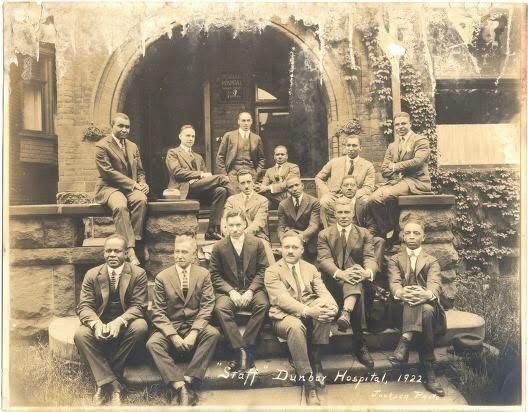
Nearly fifty years later, Detroit's Black physicians organized the Allied Medical Society and established Dunbar Hospital, creating a place where Black patients could receive dignified care and Black physicians could fully practice their profession.
Why Dr. Ferguson Matters Today
When we talk about Black maternal health, we often focus on today's disparities. But those disparities did not appear overnight.
They were shaped by generations of exclusion from hospitals, medical schools, and professional organizations.
Dr. Joseph Ferguson represents the beginning of Detroit's Black medical legacy. His work laid the foundation for the physicians, nurses, midwives, and community health workers who came after him.
His legacy reminds us that preserving Black birth history isn't only about remembering the past. It's about understanding how we got here and honoring the people who made it possible for future generations to keep building.
References
https://www.elmwoodhistoriccemetery.org/events-tours/biographies/65-dr-joseph-ferguson
The Detroit Black Birth Archive preserves the stories of Detroit's Black birth workers, physicians, midwives, nurses, families, and institutions so that their contributions are never forgotten. Every birth story is part of Detroit's history, and every story deserves to be preserved.