Dr. James W. Ames: Physician Who Helped Build Detroit's First Black Hospital | Detroit Black Birth Archive
Detroit Black Birth Archive | MDHHS Maternal & Infant Health Summit Exhibit Series
When we talk about Black maternal health in Detroit, we often focus on today's challenges. But long before the conversations we are having now, Black physicians were already building solutions.
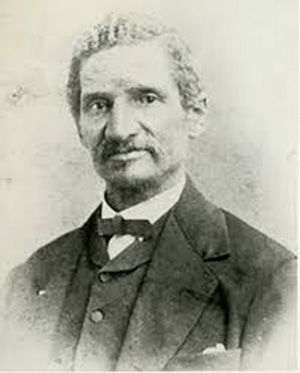
One of those visionaries was Dr. James W. Ames.
His name may not be familiar to many Detroiters today, but his work helped lay the foundation for generations of Black physicians, nurses, midwives, and families who deserved quality healthcare.
Building What Didn't Exist
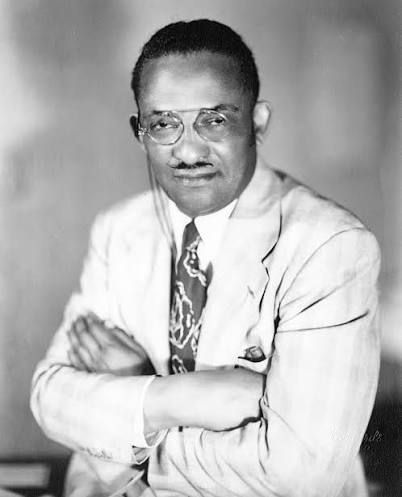
Dr. James W. Ames was born in New Orleans in 1864 and earned his medical degree from Howard University College of Medicine before moving to Detroit in 1894. At a time when Black physicians were routinely denied hospital privileges and Black patients faced discrimination in nearly every healthcare setting, he understood that waiting for equality was not enough.
Instead, he helped create it.
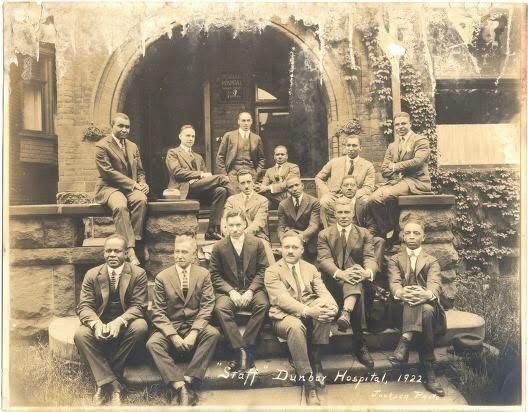
In 1918, Dr. Ames led approximately 30 Black physicians in organizing the Allied Medical Society, the organization that would later become today's Detroit Medical Society. Together they established Dunbar Memorial Hospital, Detroit's first Black nonprofit hospital.
More Than a Hospital
Dunbar Memorial Hospital was never simply a building. It represented dignity, opportunity, and a community refusing to accept exclusion.
Because Black physicians were denied opportunities at white hospitals, Dunbar became a place where they could admit patients, perform surgeries, train young physicians and nurses, and provide compassionate care to Detroit's growing Black population. The hospital also included an operating room, a nursing training program, and professional opportunities that simply did not exist elsewhere.
The impact extended far beyond healthcare. It demonstrated that when institutions excluded Black communities, those communities had both the vision and the determination to build institutions of their own.
A Leader Inside and Outside of Medicine
Dr. Ames believed that improving community health required leadership beyond the examination room.
He served on the Detroit Board of Health, represented Wayne County in the Michigan House of Representatives, and remained active in numerous civic organizations throughout his life. His work reflected a belief that public health, education, housing, and civil rights were deeply connected.
Why His Story Matters Today
As I researched Detroit's Black medical history for the Detroit Black Birth Archive, I realized something important.
We cannot tell the story of Black birth without telling the story of the people who created spaces where Black families could safely receive care.
Dr. James W. Ames did not simply practice medicine. He helped build the infrastructure that allowed Black healthcare professionals to care for their own community with excellence and dignity. The legacy of Dunbar Memorial Hospital still lives on today through organizations like the Detroit Medical Society and through the countless physicians, nurses, doulas, midwives, and community health workers who continue the work of improving Black maternal and infant health in Detroit.
Preserving Detroit's Black Birth History
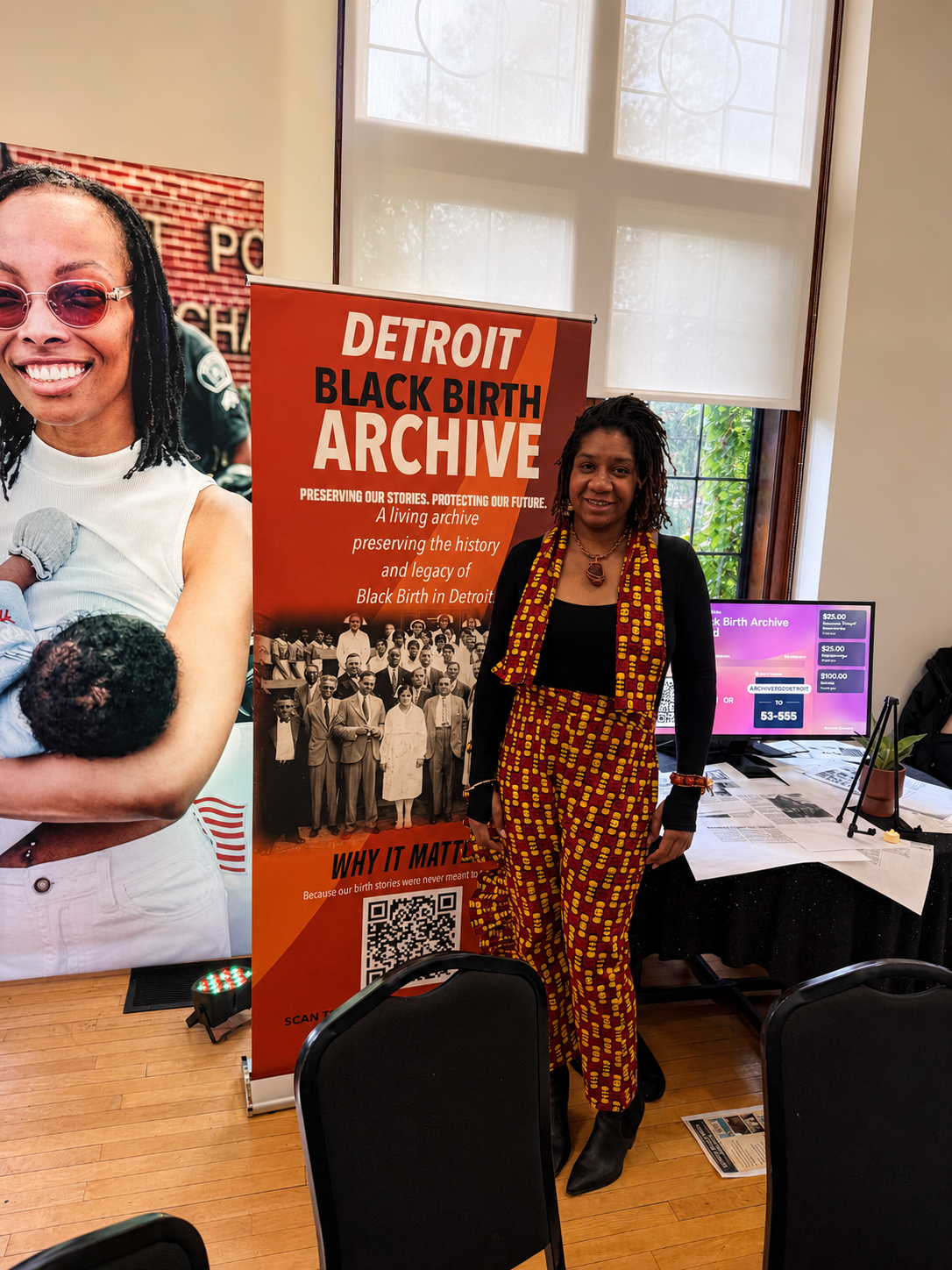
The Detroit Black Birth Archive exists because stories like Dr. Ames' deserve to be remembered.
History is more than dates and buildings. It is the people who imagined a better future and built it, even when the odds were against them.
If your family has a birth story connected to Detroit, whether it involves a physician, nurse, midwife, hospital, or home birth, we would love to help preserve it.
References:
https://www.elmwoodhistoriccemetery.org/events-tours/biographies/9-james-w-ames-m-d
Every family has a birth story.
Together, those stories become our history.
➡️ Visit the Detroit Black Birth Archive:https://www.shekitalongdoula.com/black-birth-archive
The Detroit Black Birth Archive preserves the stories of Detroit's Black birth workers, physicians, midwives, nurses, families, and institutions so that their contributions are never forgotten. Every birth story is part of Detroit's history, and every story deserves to be preserved.