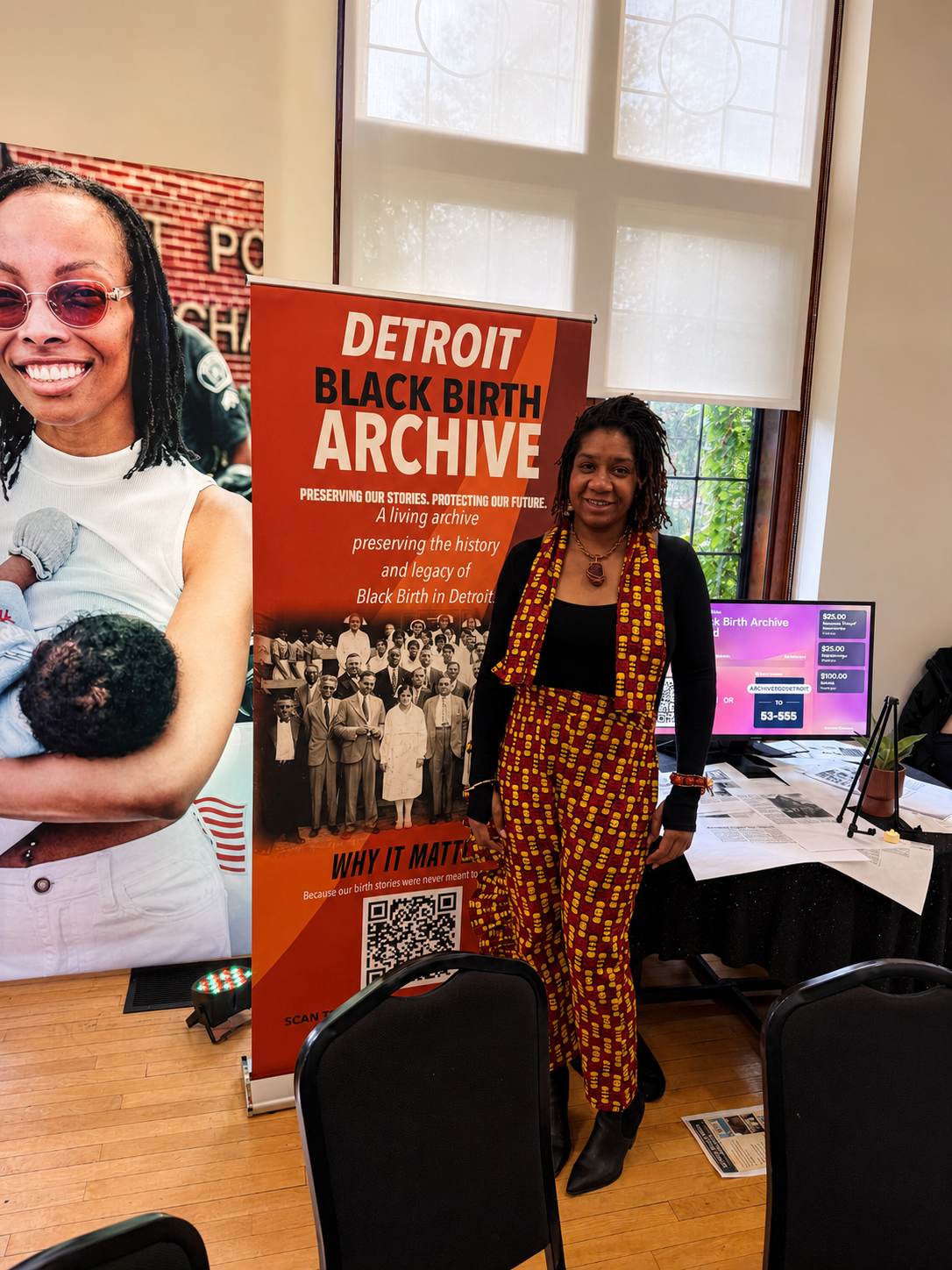
Aaushi Dowdell, LM | Black Midwifery in Detroit
Detroit Black Birth Archive | Oral History Series
Aaushi Dowdell was born and raised in Detroit. She built a life as a salon owner before a series of experiences with birth care led her in a new direction.
After experiencing medical racism and harm, Aaushi wanted to support families so they wouldn’t feel alone in the ways she had. She became a doula, then a birth assistant. Over time, she found herself working at a birth center, managing the practice, and learning more about midwifery. When she wanted more say in her education, she chose a midwifery program and became a licensed midwife in Michigan. She also holds a master’s degree in maternal and child health systems.
Her journey didn’t unfold the way she expected. Aaushi tells future birth workers not to get stuck on what their path is “supposed” to look like. Her advice is to stay authentic, keep learning, and keep moving through the process.
Care that listens
Aaushi’s approach to midwifery is rooted in trauma-informed and culturally aware care. She wants the families she supports to leave feeling heard and seen.
That commitment matters to her because safety is about more than where someone gives birth. Aaushi has seen people experience trauma in different settings, including at home. She believes listening to a family, understanding their circumstances, and considering their whole life not only their clinical needs helps shape better care.
She hopes families know she can be a safe resource, even when she isn’t the right provider for them. She wants to help people find support without judgment.
Carrying a family legacy
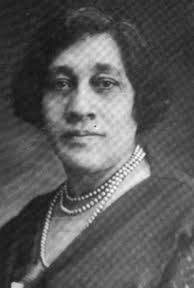
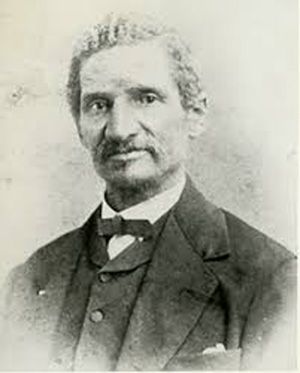
Midwifery is also part of Aaushi’s family history. She describes herself as a legacy midwife: her great-great-grandmothers were granny midwives in the South, and that knowledge eventually continued in Detroit.
For a long time, Aaushi didn’t imagine herself following that path. She owned salons and thought midwifery was not for her. Today, she sees her work as part of a family legacy that continues through her sisters, who are also involved in birth work, and her daughter, who is a doula.
More Black and Indigenous midwives
Aaushi wants to see more Black and Indigenous midwives, along with more opportunities for them to train and mentor new midwives. She believes families deserve care from people who understand their experiences and communities.
Her vision is for midwifery to become a first line of care in Detroit, with referrals and consultation when needed. At the center of that vision is a simple point: communities need more birth workers who look like them and understand where they’re coming from.
A birth that changed her direction
Aaushi also shares how her own pregnancies and births shaped her work. After years of healing and support during her last pregnancy, she gave birth to her daughter, Onyx, at home, surrounded by eight women. She remembers that birth as a meaningful close to one chapter of her reproductive life and the beginning of a deeper commitment to midwifery.
Aaushi carries many experiences into her work: the difficult ones, the healing ones, and the moments that helped her understand what families need from their care providers. She brings those lessons back to Detroit, where her story and her work are part of the city’s Black birth history.
The Detroit Black Birth Archive preserves the stories and knowledge of Black families and birth workers connected to Detroit.
Watch Aaushi’s interview, share her story, and help keep this history in the hands of future generations.